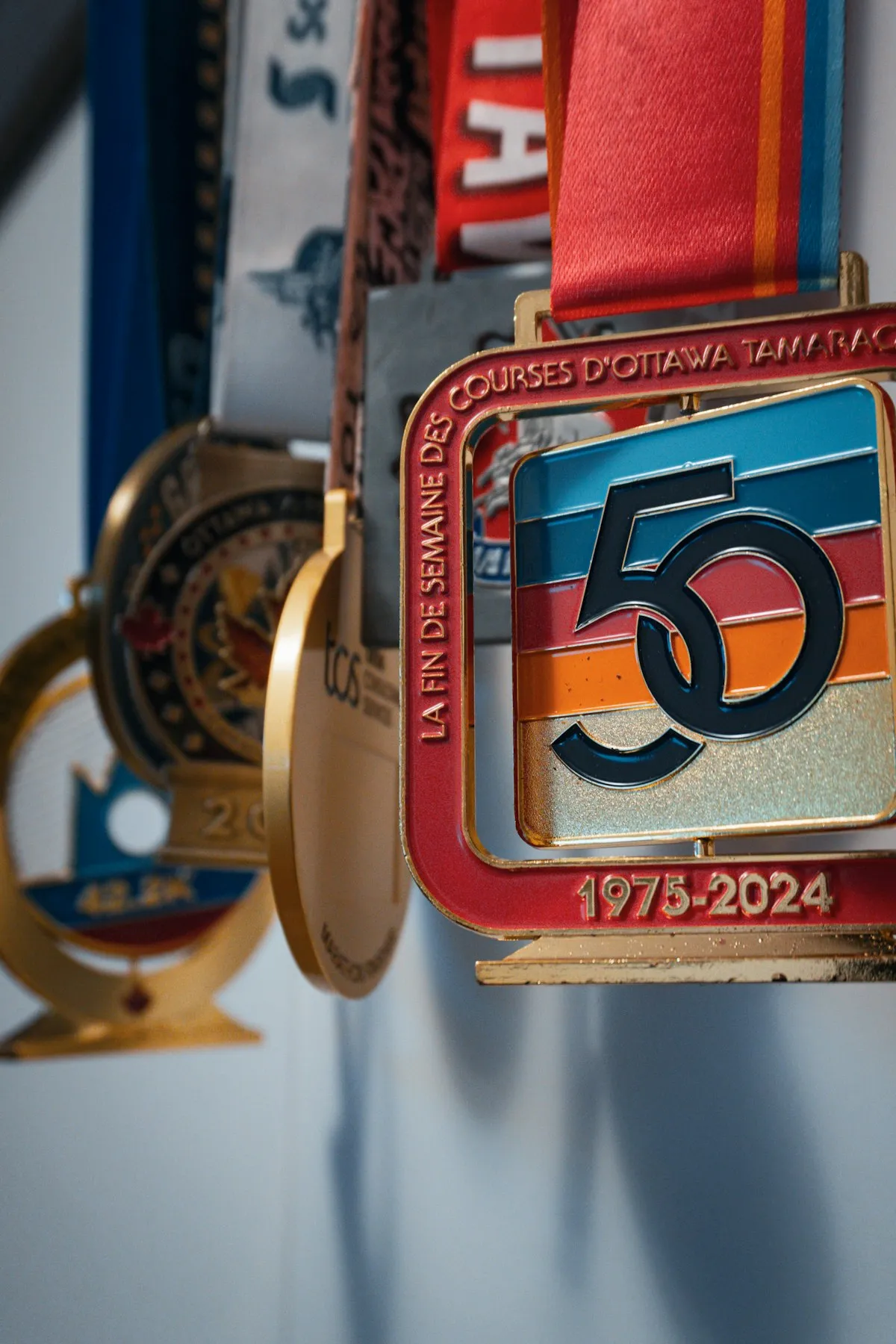
How Gamification Transforms Fitness
Discover how achievement badges, streaks, and smart rewards transform workout motivation. Science-backed strategies that make exercise feel like play.
The Willpower Myth
Here’s a stat that should make every gym owner nervous: roughly half of all people who start an exercise program abandon it within six months. Not because the exercises don’t work. Not because they lack information. They quit because willpower alone is a terrible long-term strategy.
We’ve been sold the idea that motivation is something you summon from deep within — a character trait that separates the disciplined from the lazy. But behavioral science tells a different story. Motivation isn’t a personality trait. It’s an engineering problem. And gamification is the engineering solution that’s quietly revolutionizing how we stick with fitness.
What Gamification Actually Means (It’s Not Just Points)
When most people hear “gamification,” they picture superficial reward systems — gold stars for adults. That misunderstanding is why so many fitness apps bolt on badges as an afterthought and wonder why engagement stays flat.
Real gamification draws from decades of behavioral psychology research. It’s the intentional design of experiences that satisfy three core psychological needs identified by Self-Determination Theory: autonomy (choosing your own path), competence (feeling capable and progressing), and relatedness (connecting with others). When these needs are met, people shift from external motivation — exercising because they “should” — to intrinsic motivation, where movement genuinely feels rewarding.
Yu-kai Chou, gamification researcher and author of Actionable Gamification: Beyond Points, Badges, and Leaderboards, has argued that good gamification is fundamentally about applying game-design thinking to make non-game experiences more engaging. The goal, as he sees it, is not to transform everything into a game but to uncover the fun inherent in the things we already need to do.
A meta-analysis of 131 independent samples confirmed that autonomous motivation — rather than external pressure — is more strongly associated with sustained exercise behavior. People who exercise because they want to, not because they feel forced, work out harder, longer, and more consistently.
The Dopamine Loop: Why Badges Work Better Than Goals
Setting a goal like “exercise three times a week” sounds reasonable. But your brain doesn’t release dopamine for reasonable plans. Dopamine fires in response to unexpected rewards, progress signals, and the anticipation of achievement.
This is why well-designed badge systems outperform raw goal-setting. (Think about the last time you checked off a to-do list item — that tiny rush of satisfaction? Multiply that across a workout streak.) Each badge represents a micro-milestone — a tangible acknowledgment that your brain registers as meaningful progress. Research shows that pharmacologically enhancing dopamine increases both motor vigor and effort for high-value rewards, while blocking dopamine attenuates sensitivity to rewards entirely. Your brain literally runs on this feedback loop.
But there’s a catch. Predictable rewards lose their novelty over time, producing less neural activity. This is why the best gamification systems use variable reward schedules — you never know exactly when the next badge will unlock. Behaviors reinforced on variable schedules are more resistant to extinction than those on fixed schedules. It’s the same psychological principle that makes certain games compelling for years.
Case Study: What Duolingo Taught Fitness About Streaks
Duolingo’s streak system is perhaps the most studied gamification mechanism in consumer technology. Their data reveals something powerful: users who maintain a seven-day streak are roughly three times more likely to remain engaged long-term. When they introduced “Streak Freeze” — allowing users to preserve their streak after one missed day — at-risk user churn dropped significantly.
The psychology here is loss aversion. Once you’ve built a 14-day streak, the pain of breaking it exceeds the effort of maintaining it. Your streak becomes a form of invested identity — not just a number, but proof of who you’re becoming.
Peloton applies a similar principle through community. Members who engage socially work out more frequently, and the platform maintains an 89% twelve-month subscriber retention rate. Nike Run Club, with over 100 million users according to industry reports, uses badges, leveling systems, and weekly challenges to combat the fitness industry’s typical 80% churn rate.
The takeaway isn’t that streaks are magic. It’s that designed continuity — giving people a visible, meaningful reason to show up tomorrow — works dramatically better than telling them to rely on willpower. (If you’ve ever felt guilty about skipping a day in any habit-tracking app, you’ve experienced this firsthand.)
The Inverted U: More Gamification Isn’t Always Better
Here’s where the conversation gets nuanced. A 2025 study in Frontiers in Psychology revealed something counterintuitive: groups with medium levels of gamification features logged significantly more moderate-to-vigorous physical activity than groups with low features — and also outperformed the high-feature group.
Too little gamification fails to engage. Too much becomes overwhelming, cluttered, or feels manipulative. The sweet spot is a system with enough variety to sustain interest, enough simplicity to feel natural, and enough meaning to connect with genuine progress.
This is a design challenge, not a technology challenge. The best gamified fitness experiences make you forget you’re being gamified. Earning a badge after your tenth consecutive workout day doesn’t feel like a manipulation — it feels like a celebration of something real.
The Micro-Workout Revolution Meets Gamification
One of the most significant fitness trends of 2025 and 2026 is the rise of “exercise snacks” — high-intensity bouts lasting anywhere from one to twelve minutes. An umbrella review of 27 systematic reviews found that multiple short bouts of exercise provide the same cardiovascular and metabolic benefits as single longer sessions.
Even more striking: women performing an average of just 3.4 minutes of daily high-intensity exercise were 51% less likely to have a heart attack and 67% less likely to experience heart failure.
Micro-workouts and gamification are natural partners. You can apply this principle at work too — our desk workouts guide shows how to turn office breaks into achievement-earning opportunities. Short sessions lower the barrier to entry, making it easy to maintain streaks. Each completed session becomes an achievement. And the cumulative nature of badges — tracking total minutes, total calories, total sessions — turns small daily efforts into a visible long-term narrative.
When your workout takes less time than scrolling social media, the gamification layer removes the last psychological barrier. It’s no longer about finding an hour. It’s about earning your next badge in five minutes.
Five Myths About Gamified Fitness (And What Research Says)
Myth 1: “Gamification is just for beginners”
Research shows that gamified interventions produce a statistically significant effect (Hedges’ g = 0.23) even compared to active non-gamified exercise programs. Advanced athletes benefit from streak tracking, personal records, and mastery badges just as much as beginners benefit from first-step achievements.
Myth 2: “External rewards kill intrinsic motivation”
This depends entirely on design. Rewards that acknowledge competence and progress — “You completed 50 sessions” — reinforce intrinsic motivation. Rewards that feel controlling — “Do this exact workout to earn points” — can undermine it. The key is rewarding effort and consistency, not dictating behavior.
Myth 3: “It takes 21 days to form a habit”
This persistent myth originated from a plastic surgeon’s observations in the 1960s. Modern research across 2,600 participants in 20 studies shows habit formation actually takes 59 to 66 days on average, and exercise habits specifically take around 91 days — 1.5 times longer than eating or drinking habits. Good gamification bridges this gap by keeping motivation high during the critical two-to-three-month window.
Myth 4: “More features means better engagement”
The inverted-U research proves otherwise. Medium-feature gamification outperforms both sparse and overloaded systems. Thoughtful, well-designed elements beat feature quantity every time.
Myth 5: “Gamification is a gimmick that wears off”
Duolingo’s DAU/MAU ratio reached 37% in 2025, with churn declining from 47% to 37% over three years of gamification refinement. When the system evolves with the user — introducing new challenges as they progress — engagement compounds rather than fades.
How to Apply This to Your Fitness Life
Understanding the science is step one. Here’s how to turn it into action:
Track Streaks, Not Just Workouts
Individual workouts are forgettable. A 14-day streak is an identity. Find a system that tracks consecutive days and makes the streak visible. The visual chain creates psychological momentum that raw workout logs never will.
Embrace Short Sessions
Stop waiting for the “perfect hour.” Research validates that brief, intense sessions deliver real results. A five-minute bodyweight circuit counts. A three-minute morning routine counts. What matters is consistency, and gamification makes short sessions feel complete.
Seek Progressive Badges
Look for achievement systems that scale with your journey. Early badges should celebrate getting started — your first workout, your first week. Advanced badges should honor mastery and dedication — 50 sessions, 1,000 minutes, a 90-day streak. This progression mirrors how your brain processes competence and growth.
Use Loss Aversion Wisely
Once you’ve built a streak, the fear of losing it becomes a positive force. Pair streak mechanics with a reasonable “grace period” or freeze feature so that one bad day doesn’t erase months of progress. Sustainable systems forgive occasional misses.
Find Your Competitive Edge
Social features — leaderboards, challenges, community groups — tap into relatedness, one of the three core psychological needs. Whether you compete with friends or simply share milestones, the social layer amplifies every other gamification element.
The Bigger Picture
The global fitness app market reached $12.12 billion in 2025 and is projected to hit nearly $14 billion in 2026. Within that market, 76% of consumers say they prefer platforms that learn and adapt to their behavior. The future of fitness isn’t about more information — everyone already knows they should exercise. It’s about better design.
Gamification isn’t a trick to make you exercise. It’s an acknowledgment that human psychology has specific, well-researched patterns — and that designing for those patterns is more effective than fighting against them. The question isn’t whether gamification works. The research is clear: it does. The question is whether your fitness approach is designed to work with your brain, or against it.
Your next workout could take five minutes. It could earn you a badge. And that badge might be the reason you show up tomorrow, and the day after, and the day after that. Not because you’re disciplined — because the system is designed well. (And honestly? There’s nothing wrong with needing a well-designed nudge. That’s not weakness. That’s being human.)
Related Articles
References
- Dishman, R.K. (1988). Exercise Adherence: Its Impact on Public Health. Human Kinetics. Google Books
- Mossman, L.H., Slemp, G.R., et al. (2024). Autonomy support in sport and exercise settings: A systematic review and meta-analysis. International Review of Sport and Exercise Psychology. DOI: 10.1080/1750984X.2022.2031252
- Westbrook, A., et al. (2020). Dopamine promotes cognitive effort by biasing the benefits versus costs of cognitive work. Neuropsychopharmacology. DOI: 10.1038/s41386-020-0669-0
- Ferster, C.B. & Skinner, B.F. (1957). Schedules of Reinforcement. Appleton-Century-Crofts. Google Books
- Mazal, J. (2023). What Duolingo can teach us about gamification. Lenny’s Newsletter. Article
- Peloton Interactive (2025). Investor Relations — Annual Report. investor.onepeloton.com
- Frontiers in Psychology (2025). Gamification and physical activity: An inverted-U relationship. DOI: 10.3389/fpsyg.2025.1671543
- Yin, X., et al. (2025). Exercise snacks and cardiometabolic health: An umbrella review of systematic reviews. Journal of Sport and Health Science. DOI: 10.1016/j.jshs.2025.101088
- Stamatakis, E., et al. (2024). Vigorous intermittent lifestyle physical activity and heart disease outcomes in women. British Journal of Sports Medicine. DOI: 10.1136/bjsports-2024-108484
- Mazeas, A., et al. (2022). Evaluating the effectiveness of gamification on physical activity: Systematic review and meta-analysis. JMIR Serious Games. DOI: 10.2196/26779
- Singh, B., et al. (2024). How long does it really take to form a habit? A comprehensive multi-study analysis. Healthcare. DOI: 10.3390/healthcare12232488
- Maltz, M. (1960). Psycho-Cybernetics. Prentice-Hall. Google Books
- Duolingo, Inc. (2025). Investor Relations — Quarterly Reports. investors.duolingo.com
- Grand View Research (2025). Fitness App Market Size & Trends Analysis Report. grandviewresearch.com
- McKinsey & Company (2021). The value of getting personalization right — or wrong — is multiplying. Next in Personalization 2021. mckinsey.com